In many rural communities, schools operate far from the spotlight. They focus on the essentials, teaching, nurturing, and guiding young learners with limited resources and even fewer opportunities. Innovation is often seen as something reserved for urban schools with bigger budgets and better infrastructure. Yet every once in a while, a story emerges that challenges this belief entirely.
Durlston Primary School, a rural school in Macheke, is one such story. What began as a simple goal to improve learning outcomes has now become a powerful example of how technology, when thoughtfully introduced, can transform education. So impactful was this change that it attracted government officials from Switzerland, alongside Zimbabwe’s Permanent Secretary, Moses Mhike, to visit the school and witness the transformation firsthand.
A shared vision for better learning
Like many rural schools, Durlston Primary School faced daily
challenges that teachers and administrators had learned to navigate with
resilience. Teaching was often limited to traditional methods, resources were
stretched, and learners had little exposure to digital tools that are
increasingly shaping the modern world.
The school leadership believed that their learners deserved
more. They envisioned classrooms where curiosity was encouraged, lessons were
interactive, and technology was used as a bridge rather than a barrier. This
vision aligned closely with Edutech’s mission to make digital learning
accessible to every child, regardless of location.
Together, they took a decisive step forward.
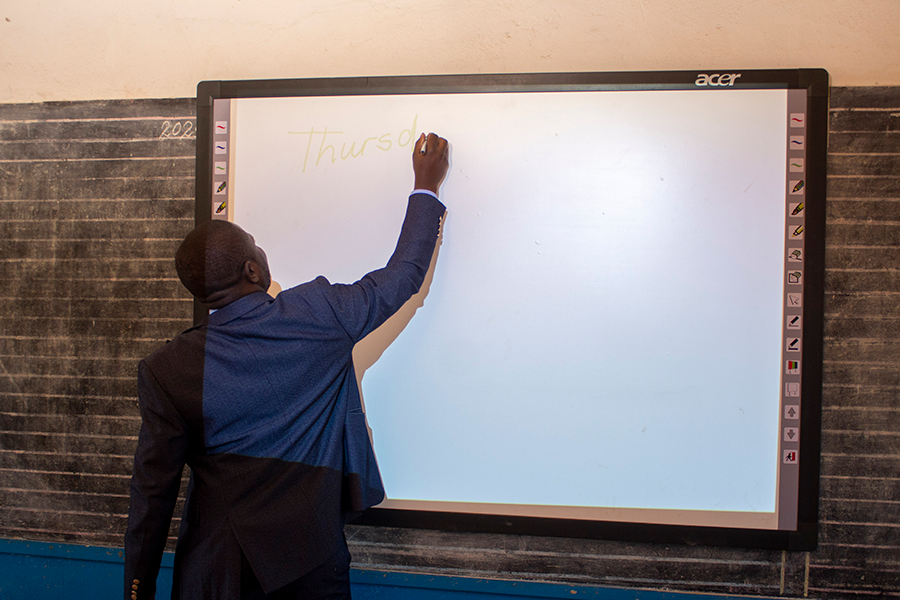
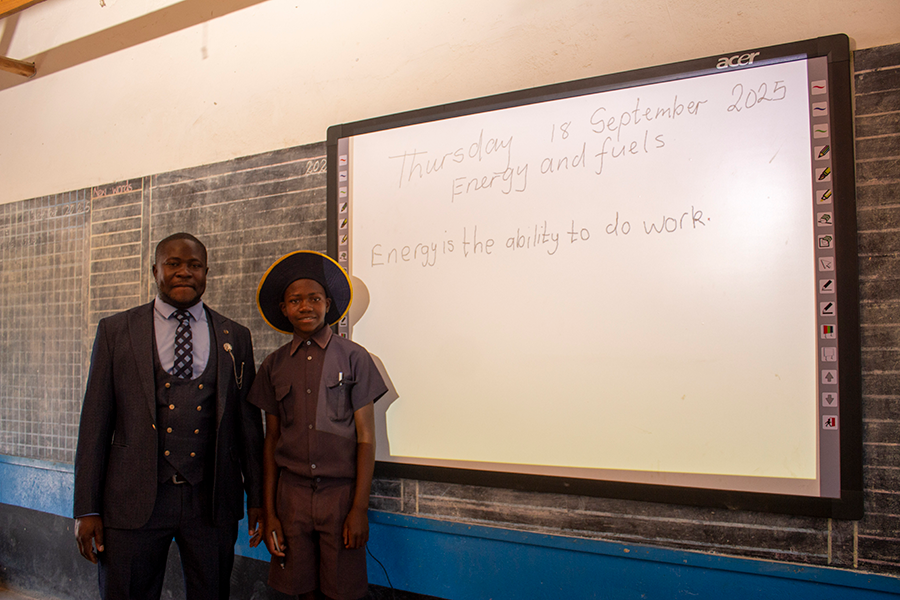
The introduction of an interactive board marked a turning point for Durlston Primary School. Suddenly, lessons could move beyond chalk and textbooks. Teachers were able to display visual content, demonstrate concepts dynamically, and adjust their teaching methods to suit different learning styles.
For learners, this shift was immediate and powerful. Abstract ideas became easier to understand. Lessons felt more engaging and enjoyable. The classroom transformed into a space where learners actively participated rather than passively listened.
The interactive board encouraged:
Learning was no longer a one way process. It became a conversation.
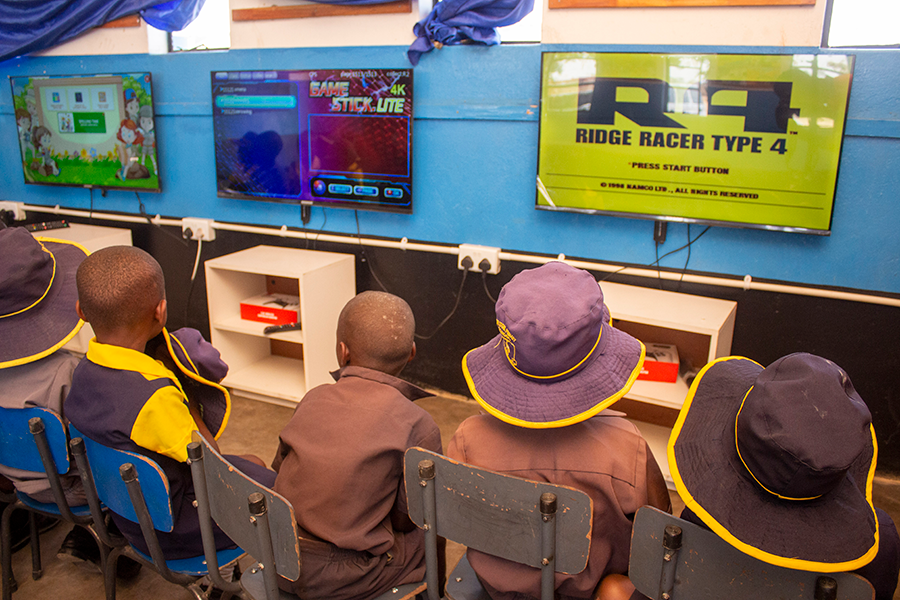
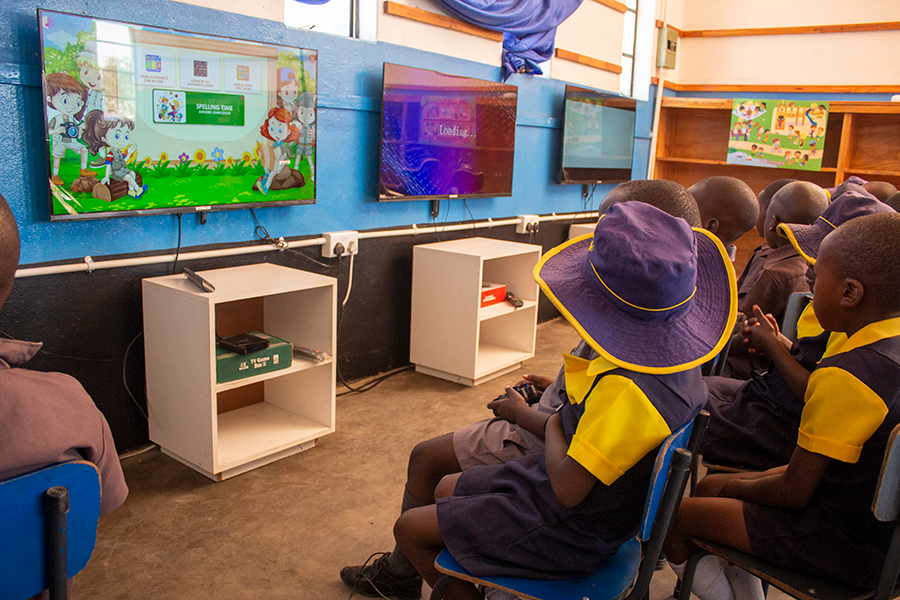
Perhaps the most exciting addition was the gaming classroom, a carefully designed space where play and learning meet. While the idea of gaming in schools can raise eyebrows, this classroom was built around structured educational games that support learning objectives.
Here, learners develop problem solving skills, strategic thinking, and digital confidence. They learn to work together, take turns, and communicate effectively. These are skills that go far beyond academics and prepare them for real world challenges.
The gaming classroom offers learners:
For many learners at Durlston Primary, this is their first meaningful interaction with modern technology. It has opened their eyes to new possibilities and helped them imagine futures they may never have considered before.
The impact of digital learning at Durlston Primary School extends well beyond the learners. Teachers now feel better equipped to deliver lessons that are relevant and effective. The interactive board supports lesson planning, creativity, and adaptability in the classroom.
With access to modern teaching tools, educators are able to:
As a result, the school as a whole has become stronger, more confident, and more future focused.
Why international and government
leaders paid attention
The visible transformation at Durlston Primary School quickly gained attention. What stood out was not just the presence of technology, but how effectively it was being used in a rural setting.
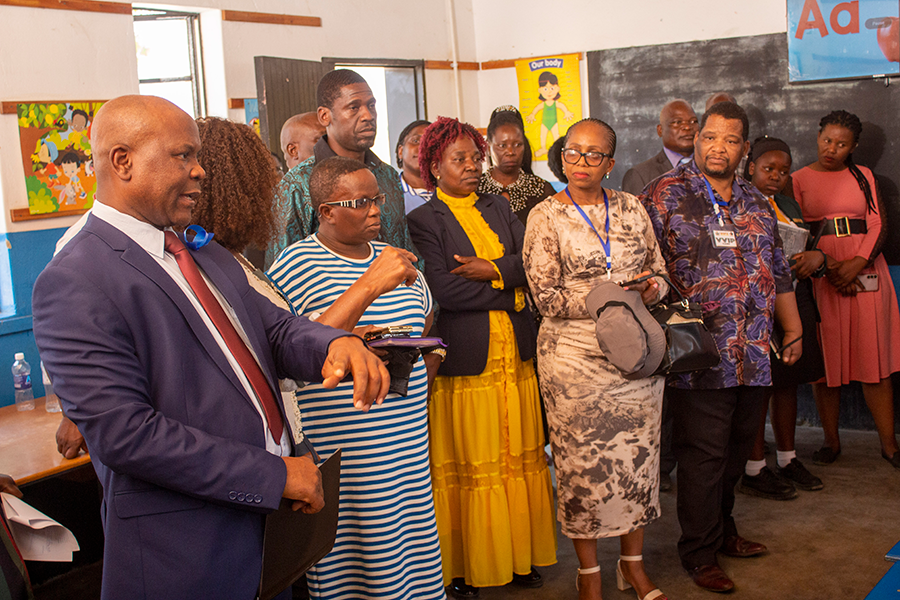
This success prompted visits from Swiss government officials and Zimbabwe’s Permanent Secretary, Moses Mhike. Their presence was a clear acknowledgment that this initiative represents something bigger than one school.
Their visit highlighted several important points:
Durlston Primary School became a living example of how policy, innovation, and community commitment can come together to create meaningful change.
The benefits of this transformation are being felt throughout the wider community. Parents feel reassured knowing their children are gaining skills that will prepare them for the future. The school has become a source of pride, inspiration, and hope.
Learners now approach education with renewed confidence. They see school as a place of opportunity rather than limitation. They are more curious, more engaged, and more willing to dream big.
Durlston Primary School’s journey proves that location does not define potential. With the right support, rural schools can become leaders in innovation and digital learning.
What started as an effort to improve classroom experiences has now positioned Durlston Primary as a model for what is possible across Zimbabwe and beyond. It shows that investing in education, especially in underserved areas, creates ripple effects that reach far into the future.
This visit from government and Swiss officials was not just about recognition. It was about possibility.
And for the learners of Durlston Primary School, that possibility has only just begun.