
As education leaders, deputy heads are constantly balancing today’s classroom realities with tomorrow’s possibilities. Curriculum demands, learner engagement, limited resources and rapid technological change all compete for attention. Yet every now and then, a moment comes along that reframes the entire conversation.
The MASH WEST Digitalization Conference was one of those moments.
What began as a regional gathering of deputy heads quickly transformed into a shared experience rooted in learning, curiosity and practical action. And yes, every deputy head walked away with a tablet PC in hand. But the real reward went far beyond the device itself.
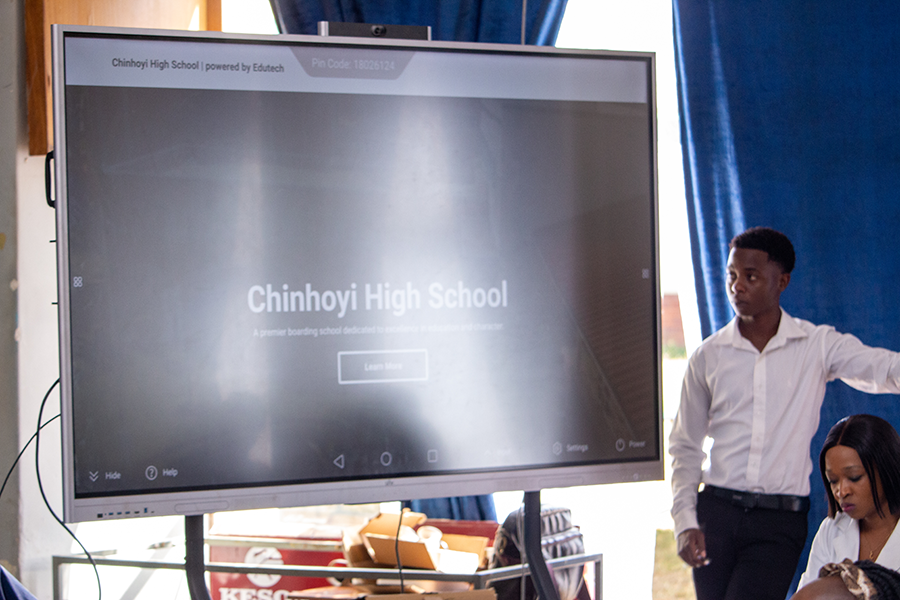
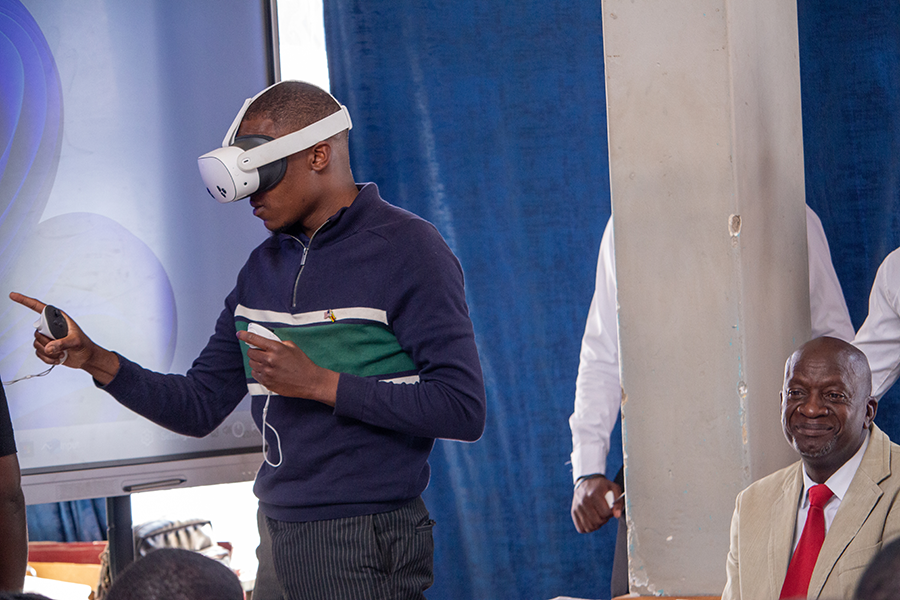
Setting the Scene
From the moment delegates arrived, it was clear this was not another theoretical conference filled with buzzwords and abstract promises. The focus was simple and deliberate.
How can technology realistically improve learner outcomes.
How can school leaders guide digital change with confidence.
How can education better prepare learners for a digital future.
The atmosphere was collaborative, curious and refreshingly honest. Deputy heads were encouraged to ask questions, challenge ideas and explore tools that could genuinely make a difference in their schools.
Learning Before the Reward
Before any devices were handed out, the conference invested in something far more important. Understanding.
Deputy heads were guided through real world examples of digital tools already improving education outcomes across the country and beyond. Sessions focused on practical application rather than theory.
Topics explored included:
Every session tied technology back to its core purpose. Enhancing teaching. Empowering learners. Strengthening education systems.
A Shift in Perspective
One of the most powerful outcomes of the conference was the visible shift in mindset.
For many deputy heads, technology had previously felt intimidating or resource heavy. By the end of the sessions, it felt achievable. Even exciting.
The conversations changed from whether technology should be used to how it could be implemented responsibly and effectively. That shift alone marked a significant win for education leadership in the region.
The Tablet PC Moment
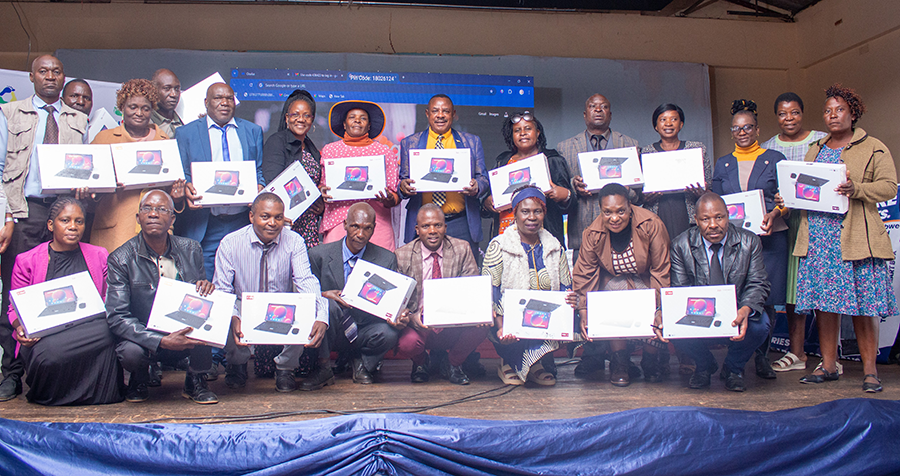
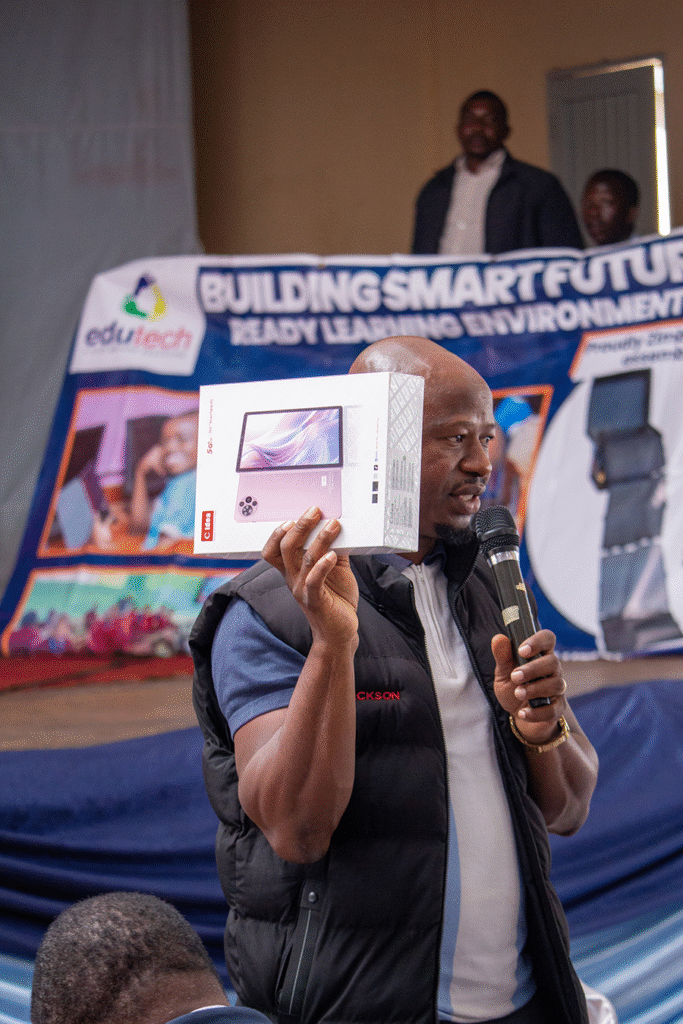
When the tablet PCs were finally introduced, they were not presented as gifts. They were presented as tools.
Each deputy head received a tablet PC as recognition of their commitment to digital growth and their willingness to explore new ways of improving learner education. More importantly, they already knew how to use it.
By that point, the device felt familiar. Purposeful. Useful.
It symbolized trust in leadership and belief in their ability to drive change within their schools.
Key Lessons from the Conference
Several powerful lessons emerged throughout the event.
Technology works best when leadership understands it
Deputy heads play a crucial role in setting the tone for digital adoption. When leaders understand the tools, teachers follow with confidence.