
Munhumutapa Primary Launches Its First Ever Digital Lab for Students
Change in education rarely happens overnight. It usually starts with a question. How can we make learning more engaging, more inclusive, and better suited to the world our students are growing into?
At Alfred Bait Primary School, that question sparked a classroom transformation that went far beyond replacing old equipment. It became a shift in how teachers teach, how students learn, and how technology can support both in meaningful ways.
This is the story of how interactive boards helped bring lessons to life.
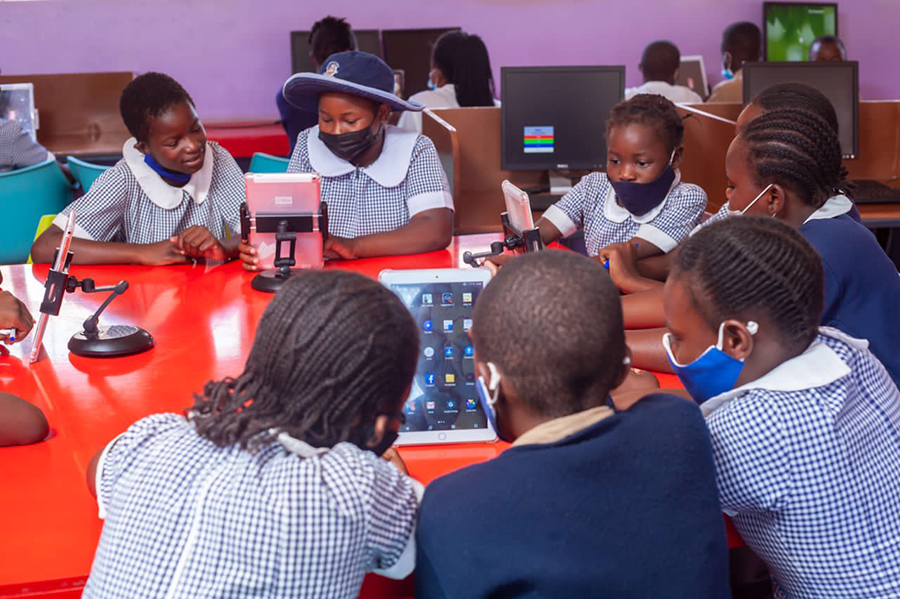
Learning at the Tap of a Finger
Each student now has access to an easy to use tablet PC
loaded with educational applications designed specifically for young learners.
With a simple tap of a finger, students can explore mathematics through games,
improve reading skills with interactive stories, and dive into science through
visuals and simulations that bring concepts to life.
Lessons are no longer static. They are dynamic, colorful,
and responsive to each child’s pace and ability.
Students who need more time can practice without pressure.
Those who grasp concepts quickly can move ahead and explore further. Learning
becomes personal rather than one size fits all.
One of the most powerful benefits of digital learning is confidence.
When students interact directly with content, they are no longer passive listeners. They become active participants in their own education. They make choices, solve problems, and see instant feedback on their progress.
This builds confidence not just academically, but emotionally. Students begin to trust their ability to learn independently. Curiosity is rewarded immediately, encouraging questions, exploration, and creative thinking.
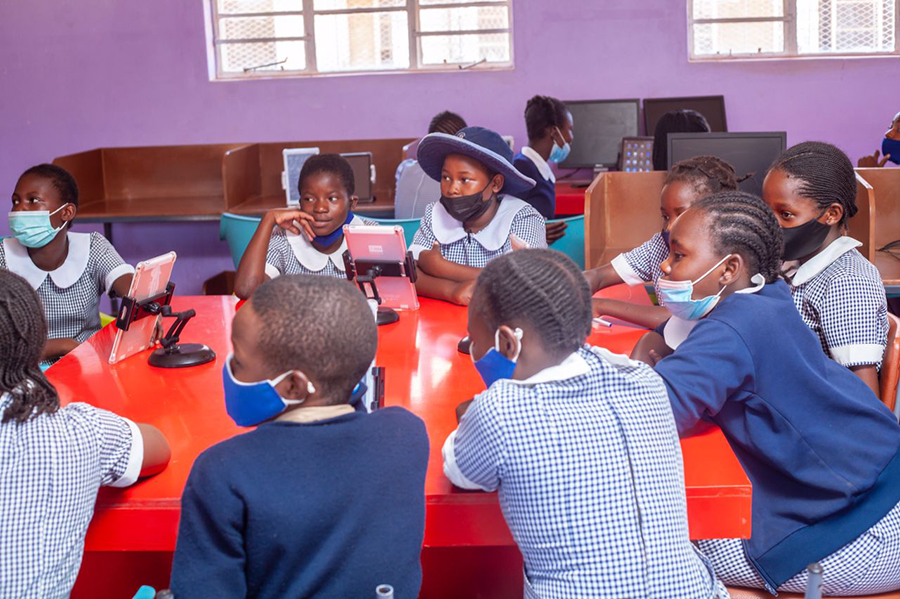
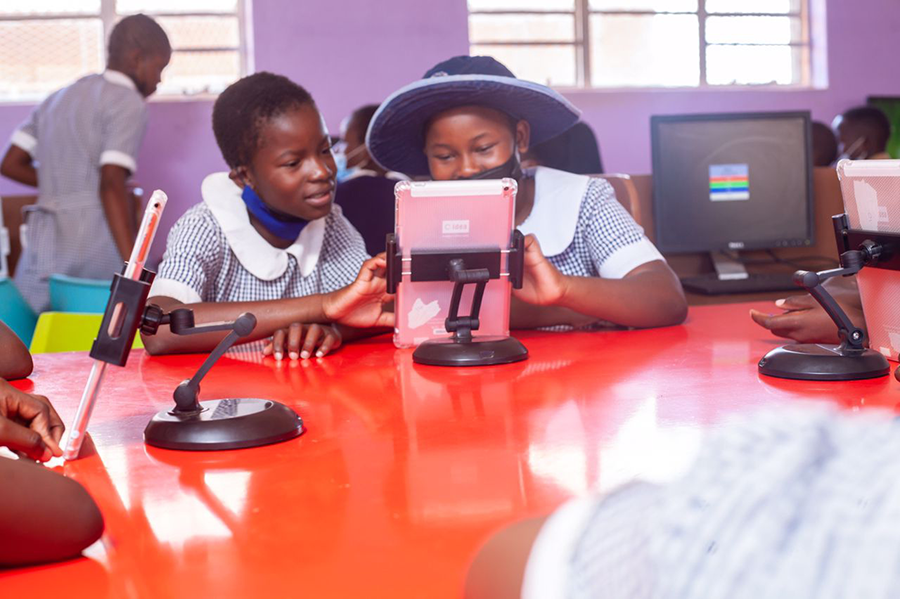
The world our children are growing into is digital by
default. Introducing technology at a primary level helps students develop
essential skills early on.
They learn how to navigate digital tools responsibly.
They develop problem solving skills through interactive challenges.
They become comfortable with technology as a learning companion rather than a
distraction.
These are skills that extend far beyond the classroom and
prepare students for future learning environments and careers.
The launch of the digital lab represents progress not only for students, but for parents, teachers, and the wider school community. It shows a commitment to innovation, to quality education, and to giving children the tools they need to succeed in a changing world.
It is a reminder that education does not stand still. It grows, adapts, and improves when vision meets action.