
Can Technology Really Improve Learning?
As education leaders, we are constantly balancing tradition with transformation. Schools are built on strong foundations, proven methods, and human connection. Yet we are also standing at the edge of a rapidly evolving digital world, one where artificial intelligence and educational technology are no longer future concepts but present realities.
At the recent Edutech Conference with Deputy Head Masters, one question echoed throughout every session, discussion, and coffee break conversation.
Can technology genuinely improve learning, or is it simply another layer of complexity?
What followed was not a debate about tools or trends, but an honest reflection on leadership, mindset, and responsibility in this new age of education. Below are the key lessons and takeaways that emerged from the conference.
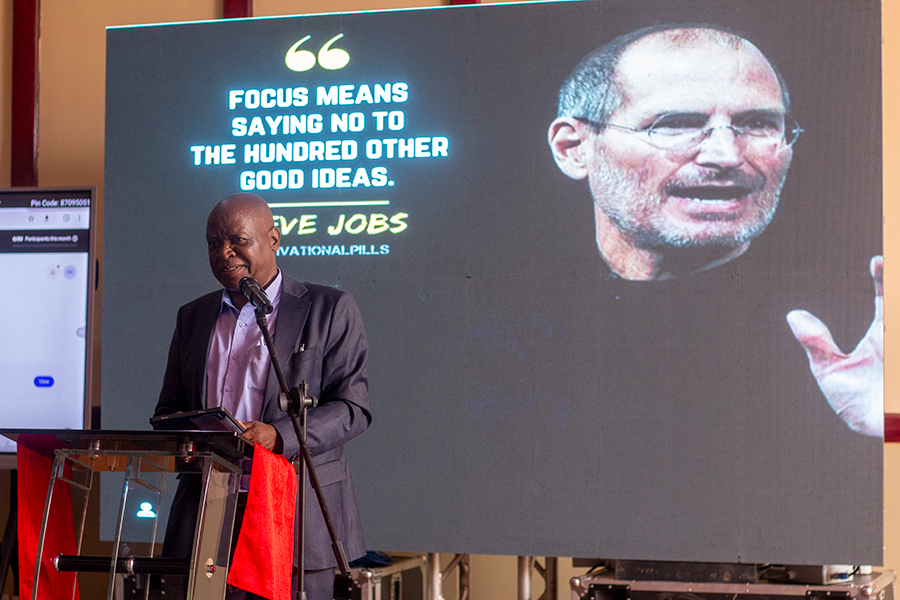
One of the strongest messages from the conference was clear from the start. Technology on its own does not improve learning. Purpose does.
When technology is introduced without a clear educational objective, it becomes noise. When it is introduced with intention, it becomes a powerful enabler.
Deputy Head Masters emphasized that every digital solution should answer a simple question first. How does this help students learn better, deeper, or more independently?
The focus has shifted away from using technology because it is new, and toward using it because it solves a real classroom challenge.
A recurring theme across multiple sessions was the role of leadership in driving meaningful change.
Teachers and students look to school leaders for direction, confidence, and example. If leadership hesitates, innovation stalls. If leadership engages, experiments, and learns openly, innovation follows naturally.
Deputy Head Masters shared that embracing technology is not about having all the answers. It is about showing curiosity, adaptability, and a willingness to learn alongside staff and students.
In an age where AI is evolving faster than any curriculum update, leaders must be the first to demonstrate comfort with change.
Artificial intelligence featured heavily throughout the conference, often surrounded by equal parts excitement and concern.
The consensus was reassuring. AI is not here to replace teachers. It is here to support them.
Used responsibly, AI can reduce administrative workload, personalize learning pathways, and provide insights that were previously impossible to access at scale. This allows educators to focus more on what truly matters. Human connection, critical thinking, and emotional intelligence.
The key takeaway was balance. AI should amplify the teacher’s role, not diminish it.
Another important insight was the growing responsibility schools have beyond academic results.
Digital literacy is no longer optional. It is a life skill.
Deputy Head Masters highlighted that students must be taught not only how to use technology, but how to question it, understand it, and use it ethically. This includes understanding data, algorithms, online safety, and the implications of AI generated content.
Education is no longer just about preparing students for exams. It is about preparing them for a world that is constantly changing.
Introducing new technology can create anxiety. Among staff, among parents, and sometimes even among students.
One powerful takeaway from the conference was the importance of trust and communication. When schools create space for open dialogue, experimentation, and even failure, innovation becomes less intimidating and more collaborative.
Deputy Head Masters spoke about involving teachers early in decision making, offering training and support, and clearly communicating the why behind every technological change.
Innovation works best when it feels shared, not imposed.
Not every school needs a complete digital overhaul to see improvement.
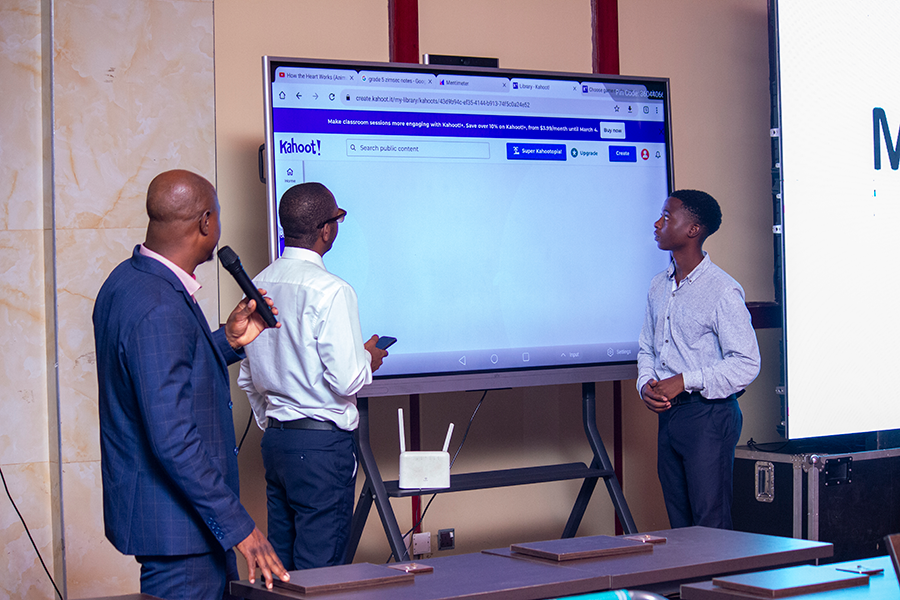
Many leaders shared success stories that started small. One new platform. One pilot program. One classroom experimenting with a different approach.
These incremental changes allowed schools to learn, adapt, and scale solutions that genuinely worked for their communities.
The lesson here was simple. Progress does not have to be overwhelming to be meaningful.

Looking Ahead
The Edutech Conference made one thing abundantly clear. Technology has the potential to significantly improve learning, but only when guided by strong leadership, clear purpose, and human values.
In a fast rising AI age, the role of educational leaders has never been more important. Deputy Head Masters are no longer just administrators. They are navigators, innovators, and role models for the future of learning.
The real question is no longer whether technology belongs in education.
It is how thoughtfully and courageously we choose to lead it.